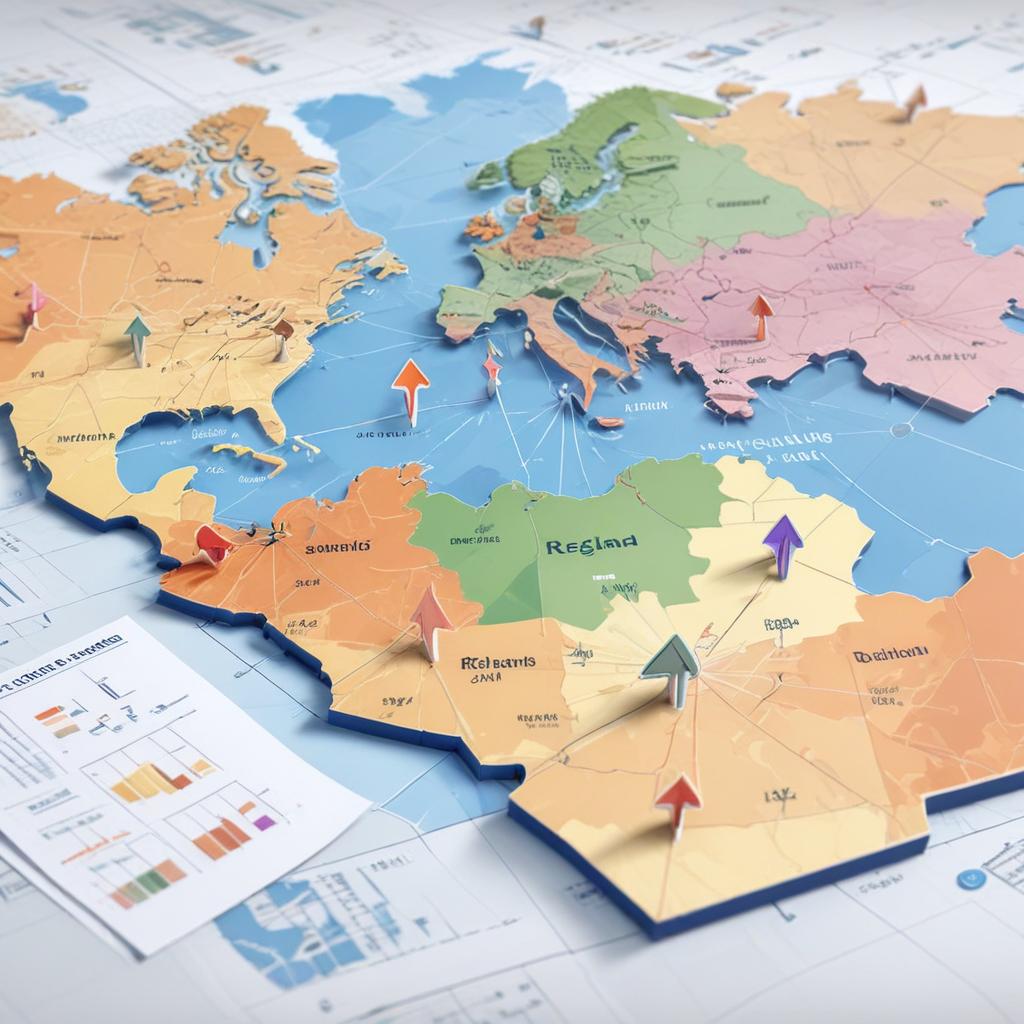
Overview of Regional Demand Shifts in Adult Markets
In today’s dynamic global economy, understanding regional demand shifts in adult markets is crucial for businesses and marketers striving to stay ahead. These market shifts represent evolving consumer preferences and behaviors that vary significantly across different geographic areas. As adult markets continue to expand and diversify, tracking these changes becomes more important than ever to effectively tailor products, services, and marketing strategies.
Regional demand in adult markets is influenced by a combination of cultural, economic, and technological factors. For instance, consumer trends in North America might prioritize privacy and convenience, while markets in parts of Asia may value social acceptance and advancements in digital intimacy tools. Such divergences highlight the complexity and necessity of adopting a nuanced approach to market analysis. Businesses that understand these shifting demand patterns can capitalize on emerging opportunities and mitigate risks associated with stagnation or decline in specific areas.
Moreover, market shifts in the adult industry are often driven by innovations and evolving social norms. Sectors like adult entertainment, telecommunication services, and intimate wellness products see rapid changes based on regional acceptance levels and technological adoption rates. Companies must closely monitor these consumer trends to design targeted campaigns and develop offerings that resonate with local audiences. Failure to acknowledge these regional differences often results in missed revenue streams and diminished brand relevance.
For marketers, recognizing the importance of regional demand shifts means investing in localized research and data analytics. By analyzing demographic specifics, purchasing behaviors, and cultural influences, they can create highly effective marketing messages that engage consumers more authentically. As adult markets continue to globalize yet remain distinctly regional in their demand dynamics, strategic adaptability will define leaders from followers in this competitive arena.
In summary, understanding and responding to regional demand shifts in adult markets is essential for any business aiming to thrive. The ability to anticipate and adapt to consumer trends in various regions not only supports growth but also fosters long-term customer loyalty—key factors that ultimately drive success in evolving markets.
Factors Driving Regional Demand Changes
Understanding the shifting dynamics of regional demand in adult markets requires a close look at a variety of demand drivers that differ by location. Economic factors play a crucial role; regions with higher disposable incomes often experience increased spending on adult services and products. Conversely, regions facing economic downturns might see a decline or shift in demand patterns as consumers prioritize essential spending. Additionally, cultural factors heavily influence consumer behavior within adult markets. Norms, taboos, and societal acceptance levels can significantly impact what adult products and services gain traction in particular regions. For instance, conservative cultures might drive demand towards discreet or private consumption modes, whereas more liberal areas encourage open and diverse adult market trends.
Social factors also contribute to how regional demand shifts unfold. Demographic patterns such as age distribution and urbanization levels affect the type and intensity of demand. Younger, urban populations tend to adopt newer adult market trends, including technological integrations like online platforms and mobile applications, more readily than older or rural groups. Additionally, regional social openness and education around adult topics further shape consumer behavior, influencing everything from product preferences to preferred means of purchasing. These combined regional factors result in distinct demand drivers that adult markets must consider to successfully adapt and meet localized consumer needs.
Impact of Demographic Variations
Understanding the influence of demographics, including age groups, income levels, and lifestyle preferences, is essential for analyzing regional shifts in adult market demand. Different regions exhibit unique regional demographics that shape consumer behavior and market segmentation strategies. For instance, regions with a younger population may show higher demand for trends and products appealing to youthful lifestyles, while areas with an older demographic may lean towards more traditional or established market offerings.
Income disparities also significantly impact adult market demand across regions. Higher income groups often exhibit a preference for premium and customized services, whereas in regions with lower average incomes, affordability and value become crucial to market success. Market segmentation based on income ensures that products and services are aligned with the purchasing power of the target audience in each region.
Lifestyle demographics further diversify demand within adult markets. Urban regions with fast-paced, digitally connected lifestyles might show an increased appetite for online and mobile-based adult content, while rural areas may favor more traditional formats. These lifestyle-driven differences necessitate tailored marketing and product development approaches to effectively reach and engage the distinct consumer segments within each geographic area.
In conclusion, analyzing variations in age groups, income, and lifestyle across regions allows businesses to refine market segmentation, optimize targeting, and better meet the evolving demands of adult markets in diverse demographic contexts.
Analyzing Key Regions Experiencing Demand Shifts
The regional analysis of adult consumer markets reveals significant market shifts across various geographical locations. These shifts reflect changing consumer behaviors, economic patterns, and cultural dynamics impacting demand in adult markets globally. Understanding these geographical demand trends is crucial for stakeholders aiming to adapt and thrive in evolving adult consumer markets.
| Region | Notable Shift | Key Statistics | Market Trends |
|---|---|---|---|
| North America | Increase in digital adult content consumption | 25% year-over-year growth in online subscriptions | Rising mobile usage and preference for personalized experiences |
| Europe | Growth in niche market segments | 18% increase in specialized adult products sales | Shifting social norms driving demand for diversity and inclusivity |
| Asia-Pacific | Rapid expansion of e-commerce adult market | 30% CAGR in adult product online sales | Growing internet penetration and younger adult demographics |
| Latin America | Emerging demand for adult wellness products | 20% market expansion driven by wellness trends | Rising health consciousness influencing purchasing patterns |
| Africa | Gradual rise in acceptance and market participation | 10% annual growth in adult consumer spending | Increasing urbanization and digital access impacting demand |
This detailed regional analysis underscores the importance of tailoring strategies to each market’s unique characteristics. From North America’s surge in digital consumption to Asia-Pacific’s rapid e-commerce growth, market players must recognize and leverage these geographical demand shifts. These key trends indicate lasting transformations in adult consumer markets, driven by societal, technological, and economic factors shaping demand across different regions.
North American Adult Market Trends
The North American adult market continues to evolve, shaped by shifting consumer trends and an increasingly diverse landscape of product interests. Demand analysis reveals a growing appetite for more personalized and technology-driven adult products, reflecting a broader societal embrace of sexual wellness and exploration. Consumers in this region are showing heightened interest in products that combine innovation with discretion, such as app-connected toys and virtual experiences that enhance intimacy from a distance.
Emerging preferences include an increased focus on inclusivity and body positivity, driving demand for adult products that cater to a wide range of identities and orientations. This trend has encouraged manufacturers and retailers in North America to expand their offerings to include gender-neutral products and items designed for various body types. Additionally, there is a noticeable rise in the popularity of sustainable and ethically produced adult products, as environmentally conscious consumers seek to align their purchases with their values.
The North American adult market is also responding to changing social dynamics, with more consumers prioritizing self-care and wellness in their adult product choices. This is reflected in the growing market share of products that address sexual health and therapeutic benefits, such as massage devices and lubricants with natural ingredients. Overall, the demand analysis highlights a vibrant and adaptive adult market in North America, where consumer trends are steering the sector toward innovation, inclusivity, and holistic wellbeing.
Shifts in European Adult Markets
European adult markets are witnessing significant shifts driven by evolving consumer demand and complex regional trends. Economic changes, including varying levels of disposable income and differing levels of digital infrastructure investment, have influenced how adult content is consumed across European countries. For instance, wealthier Western European nations often show sustained or growing interest in high-quality, subscription-based adult content, while Eastern European markets are experiencing rapid growth in demand for affordable and accessible options, including free and ad-supported platforms.
Cultural shifts also play a critical role in shaping these market dynamics. As societal attitudes toward adult content become more open and progressive, especially among younger demographics, demand patterns are shifting accordingly. Countries with more liberal social norms tend to have a more diversified market with a broad acceptance of various genres and formats. Conversely, in countries with conservative cultural frameworks, the demand often leans toward discreet, privacy-focused consumption models.
Regional trends reveal that consumer demand is increasingly influenced by local preferences and regulatory environments. The rise of local content creators and platforms which cater to specific languages and cultural contexts is notable in countries such as Germany, France, and Italy. Additionally, the impact of stricter regulations in some nations leads consumers to seek more secure and anonymous services, reshaping the market landscape. Overall, the adult market shifts in Europe reflect a complex interplay of economic growth, cultural openness, and regulatory adaptation, all fueling evolving consumer demand across the continent.
Strategies to Adapt to Regional Demand Shifts
Adapting to regional demand shifts requires a strategic and flexible business approach. Market adaptation is essential for adult market businesses to stay competitive and meet the evolving needs of their customers. Here are several practical strategies that can be implemented to successfully respond to changing regional demand patterns.
First, thorough market research is critical. Businesses should invest in gathering detailed data on local preferences, cultural norms, and purchasing behavior. Understanding these factors enables a tailored approach that resonates with regional audiences. Employing advanced analytics to track real-time trends can help anticipate shifts early, giving a competitive edge in response time.
Second, localization of content and services is a key strategy. This means adapting language, marketing messages, and the product or service offering to align with regional tastes and legal regulations. Customized offerings demonstrate respect for local cultures and improve customer engagement, thereby enhancing brand loyalty in diverse markets.
Third, flexible supply chain and distribution networks must be developed. Regional demand fluctuations often require swift adjustments in inventory and delivery logistics. Establishing partnerships with local suppliers and distributors can streamline operations, reduce shipping times, and cut costs, making the business more agile and responsive.
Fourth, leveraging digital platforms and technology enhances market adaptation. Utilizing region-specific digital marketing campaigns, social media strategies, and e-commerce platforms can effectively reach targeted audiences. Moreover, using customer feedback loops via digital channels allows continuous improvement and alignment with evolving regional preferences.
Finally, fostering an innovative organizational culture encourages the ongoing development of new products and services tailored to regional demands. Encouraging employee input and testing new ideas in pilot markets can yield valuable insights and successful adaptations. This proactive stance ensures the business remains relevant despite shifting market conditions.
In conclusion, by integrating thorough market research, localization, flexible logistics, digital engagement, and innovation into their business approach, adult market enterprises can effectively manage regional demand shifts. These strategies not only enhance customer satisfaction but also strengthen market position and long-term growth potential.
Localized Marketing and Product Customization
To effectively engage regional adult markets, companies must focus on localized marketing strategies and product customization. Understanding and adapting to regional preferences is essential, as adult consumers in different areas vary widely in tastes, cultural attitudes, and buying behaviors. Localized marketing involves crafting campaigns that speak directly to these unique regional sensibilities, utilizing language nuances, cultural references, and region-specific trends. This approach enhances consumer connection and increases brand relevance.
Product adaptation is another critical element. Adult market products should not be one-size-fits-all but rather tailored to meet the distinct demands of each region. This might include adjustments in packaging, features, sizing, or even the inclusion of regionally favored ingredients or aesthetics. Customization in this way recognizes the diversity within the broader adult market and allows brands to stand out by offering products that feel personal and relevant to local customers.
Successful localized marketing and customization require thorough market research and consumer insight analysis to understand specific regional needs accurately. Brands often collaborate with local influencers or experts to boost authenticity and trust. By aligning marketing efforts and product designs with regional preferences, companies can drive stronger engagement, foster customer loyalty, and ultimately increase market share in varied adult markets.
Leveraging Data Analytics for Regional Insights
Utilizing data analytics is essential for businesses aiming to gain deep regional insights and stay ahead in competitive adult markets. By analyzing comprehensive consumer data, companies can detect patterns and shifts in demand across various geographic areas. This approach allows them to tailor their marketing strategies and product offerings to meet the unique preferences and behaviors of regional audiences.
Data analytics tools provide market intelligence that goes beyond traditional methods, enabling real-time tracking and prediction of regional demand trends. Businesses can leverage this intelligence to identify emerging opportunities and potential risks, optimizing their supply chains and marketing campaigns accordingly. In turn, this strategic use of data fosters more informed and proactive decision-making processes.
Furthermore, integrating regional insights derived from consumer data helps organizations personalize their customer experience, improving engagement and satisfaction. It also aids in resource allocation, ensuring that investments are directed where they can generate the most significant impact. Overall, the synergy of data analytics and regional intelligence empowers companies to drive growth, enhance operational efficiency, and maintain a competitive edge in dynamic adult markets.

Ich bin seit mehreren Jahren begeistert von der Kunst der erotischen Telefonkommunikation. In meiner Freizeit erforsche ich, wie Worte und Stimme intime Verbindungen schaffen können, und teile meine Erkenntnisse gern mit anderen. Dabei lege ich Wert auf einfühlsame Tipps und ehrliche Diskussionen.